A
merica, in many ways, has always been an idea. The white colonizers who enshrined their theory into a Constitution marketed their creation as a land of opportunity and new beginnings. For centuries, people from around the world have felt the pull to become part of that fantasy, and immigration was an integral part of the foundation and success of the American experiment. But from the beginning, America was not intended to be inclusive. America was built on racial hierarchy and that inheritance continues to haunt and terrorize us today.
In this January/February edition of Justice+Art, we present migrant stories of those striving to leave the homes they’ve known and begin anew–believing in the American dream.
In this country, what is legal and what is just are often at odds. The films we feature here were not made this year, highlighting that the agony and the dissonance they evoke raise enduring questions about immigration, humanity, and decency that we must confront if we hope to strive for moral authority.
Amend: The Fight for America
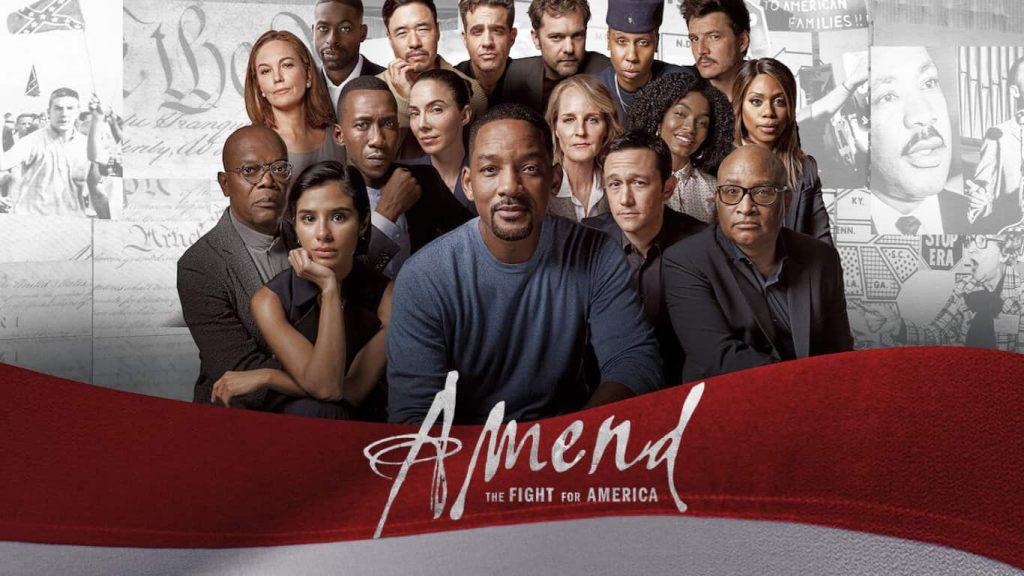
“Amend acknowledges, early and often, that rights granted on paper don’t always translate to immediate change on the ground, especially when state or local officials assert their own interpretation of the law.”
The United States was founded in 1776, but the modern America we live in today was born in 1868, with the ratification of the 14th Amendment in the wake of the Civil War.
In Amend:The Fight for America(2021), actor/producer Will Smith hosts a look into the evolving, often lethal, fight for equal rights in America through the lens of the U.S. Constitution’s 14th Amendment.
Ratified in 1868, the 14th Amendment gave citizenship to all those born or naturalized in the country and promised due process and equal protection for all people. This six-part docuseries threads the amendment through the fabric of American history, from its origins before the American Civil War to the bigoted violence of the Reconstruction and Jim Crow eras, through the tumultuous years of the civil rights and women’s liberation movements, right until today’s feverish debates over same-sex marriage and immigration.
Hosted by Smith and starring Bryan Stevenson and Larry Wilmore, the film uses archival materials, animated sequences, and powerful excerpts from historical documents read by experts and celebrities like Mahershala Ali, Diane Lane, Samuel L. Jackson, Pedro Pascal, and others to educate and entertain its audience. Directed by Robe Imbriano and Tom Yellin. Streaming on Netflix. Watch the trailer.


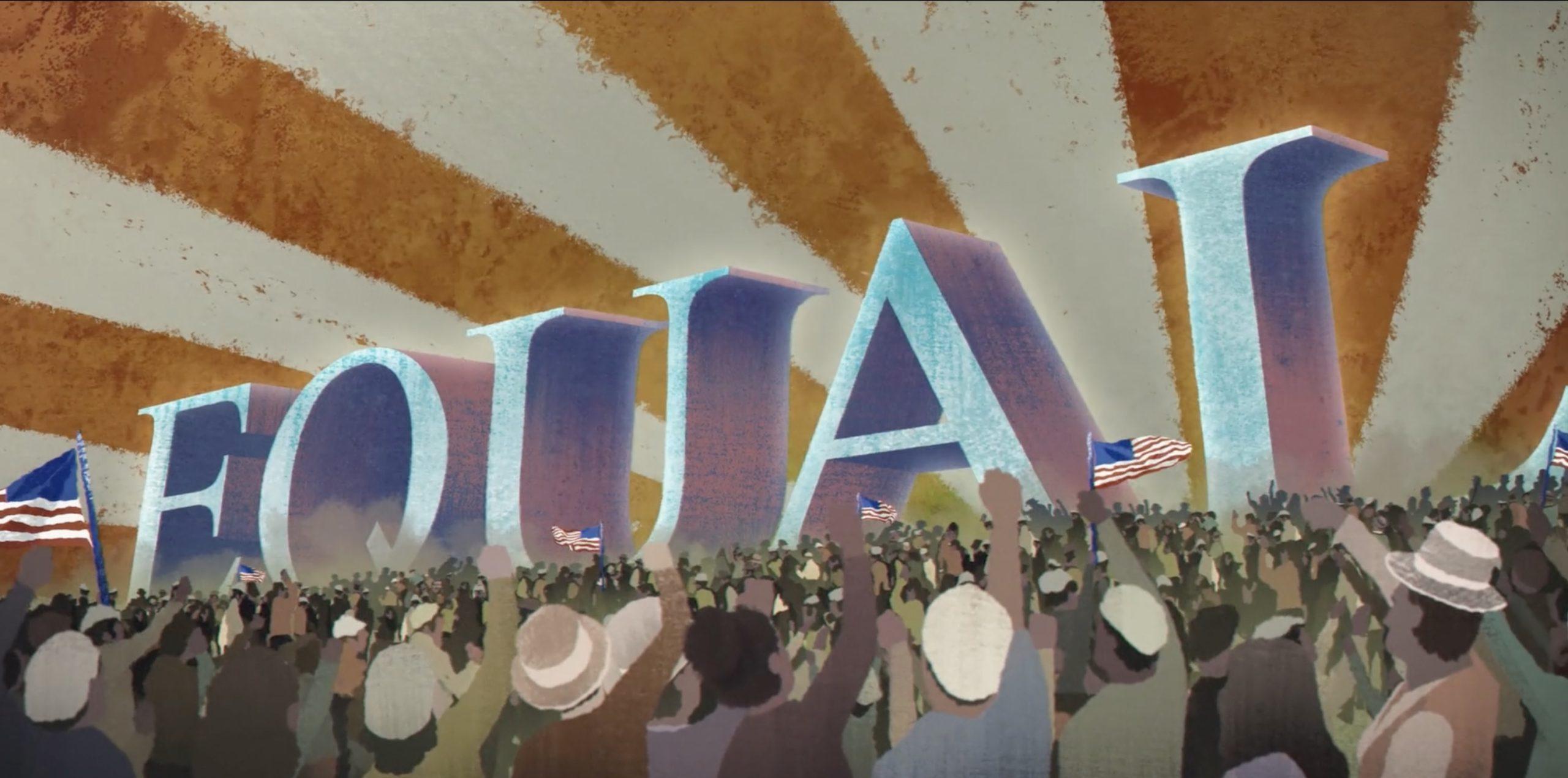

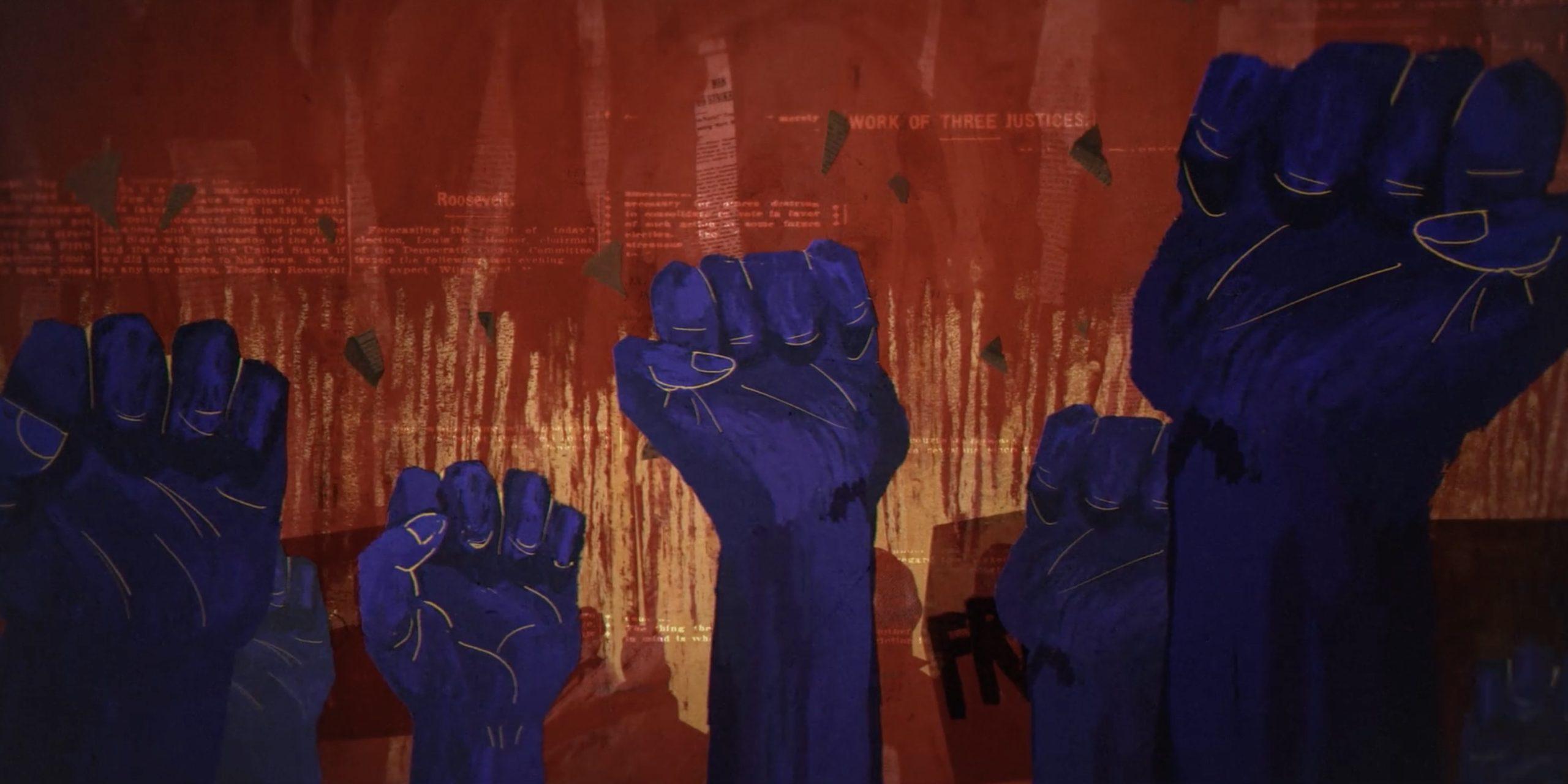
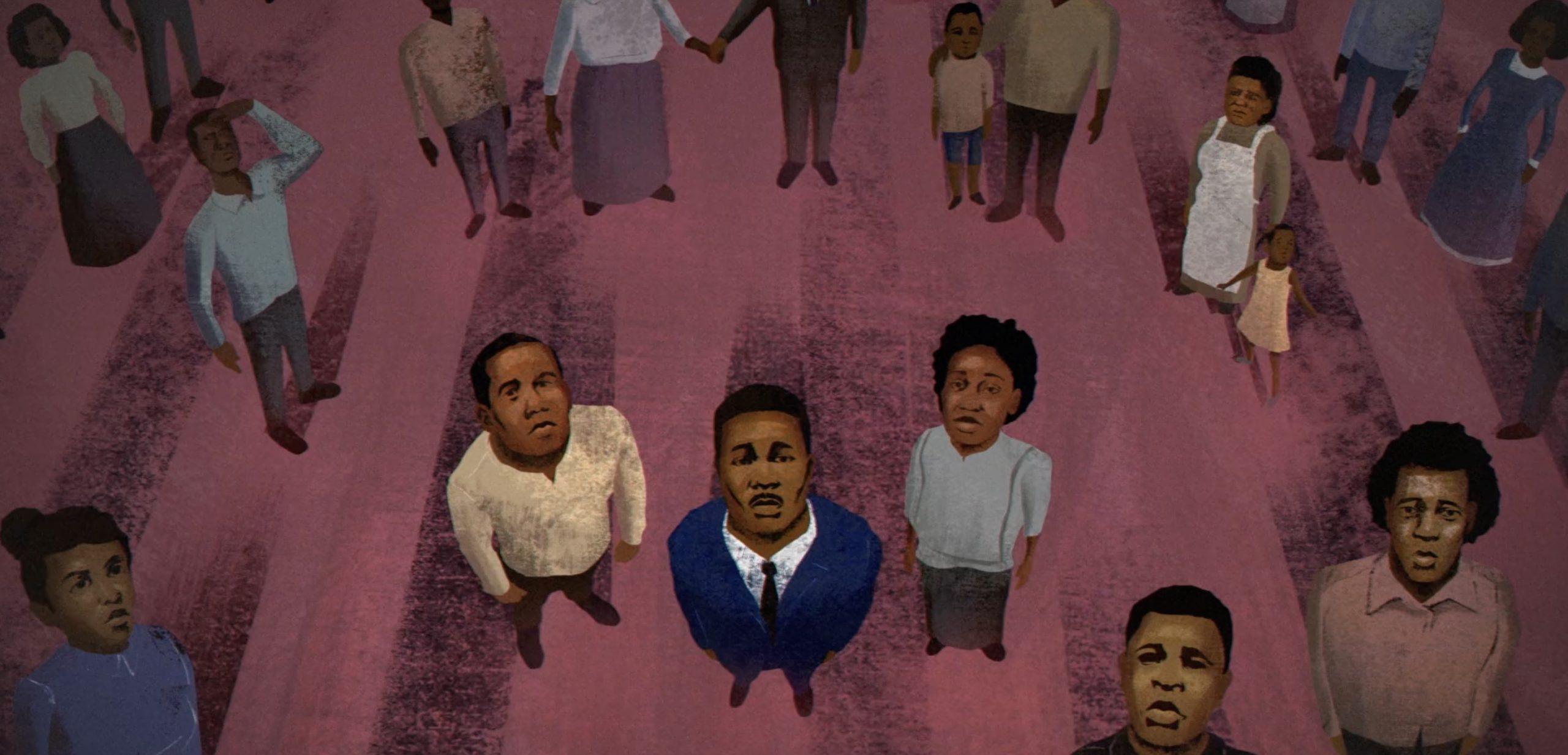
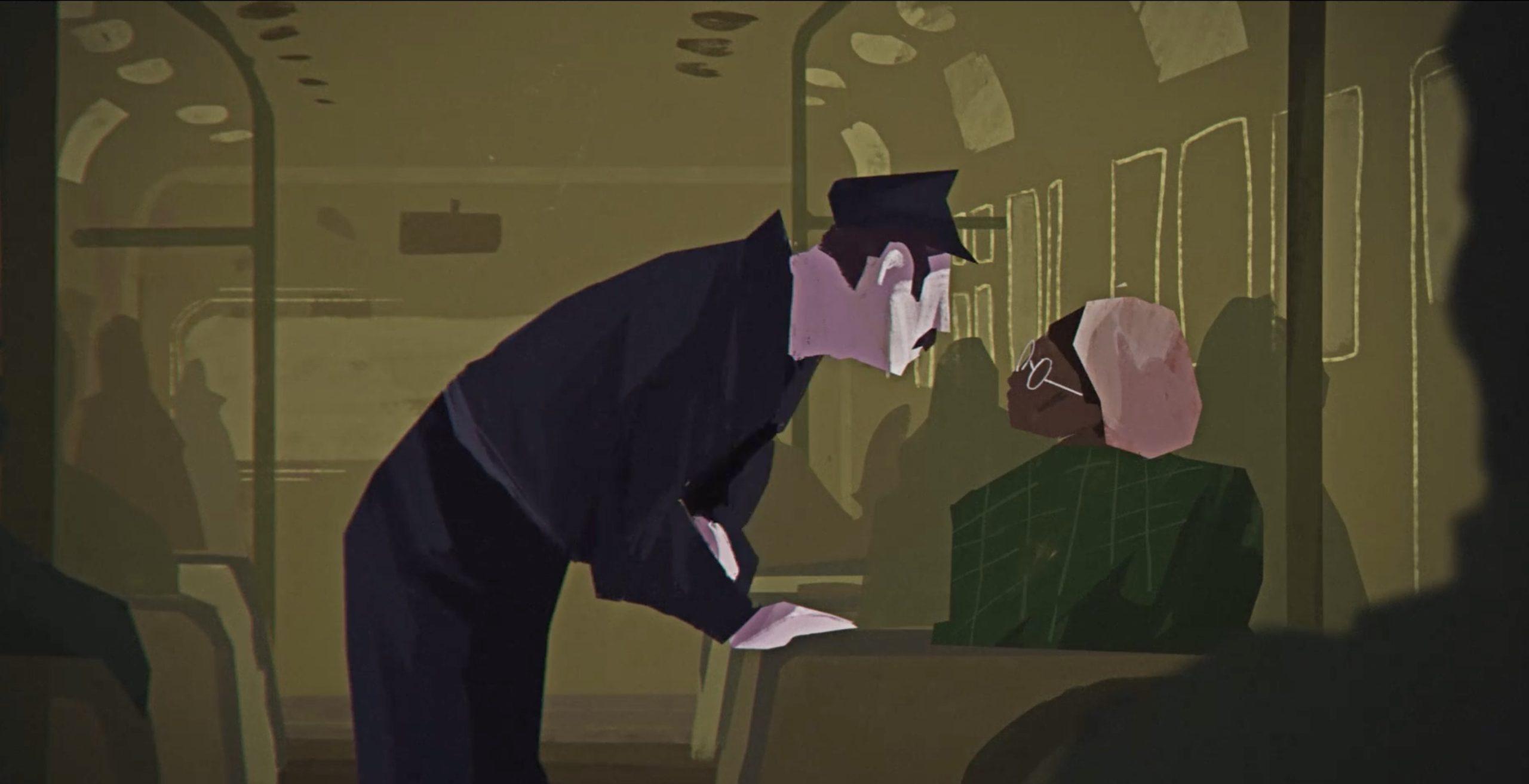
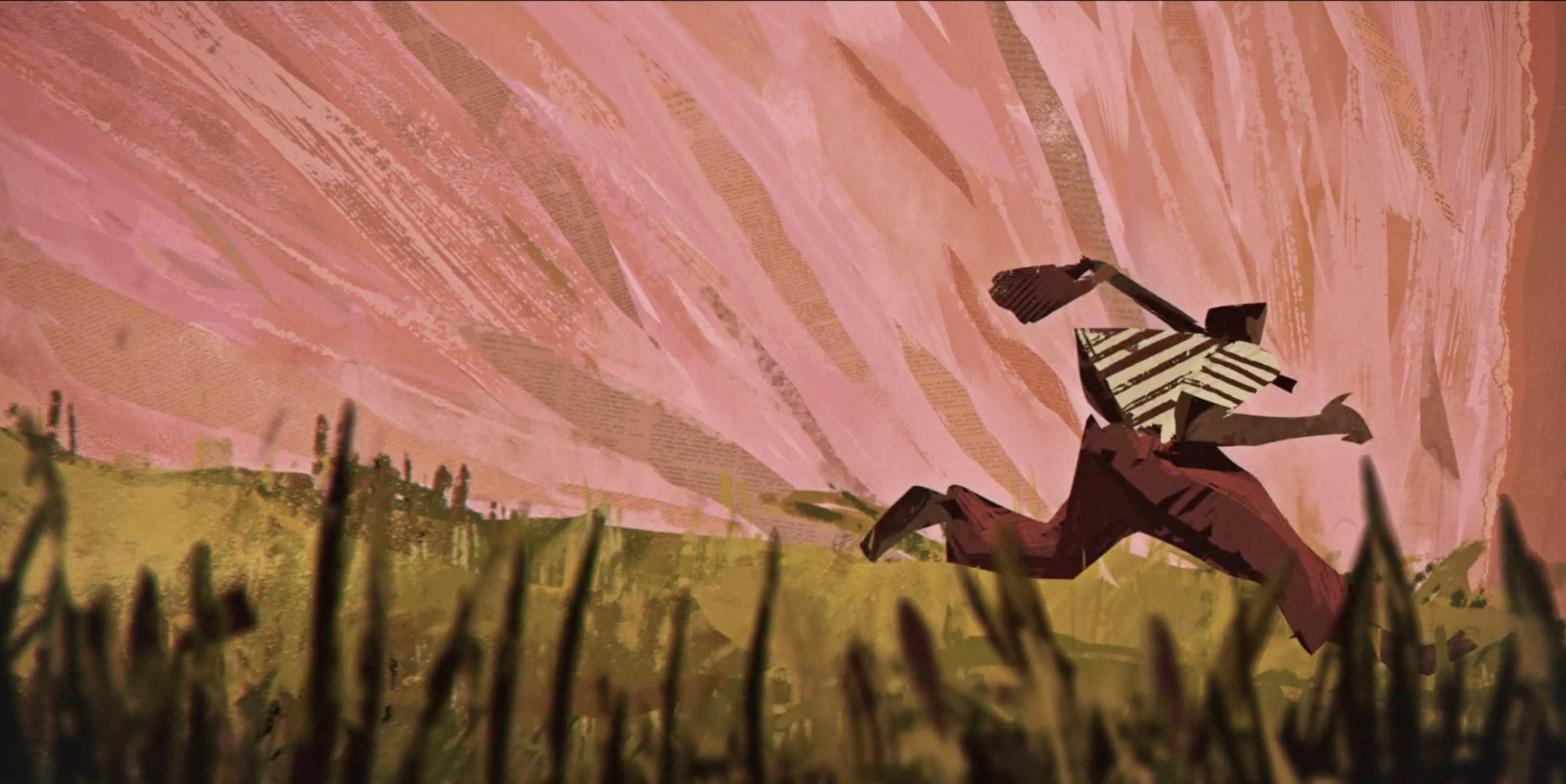
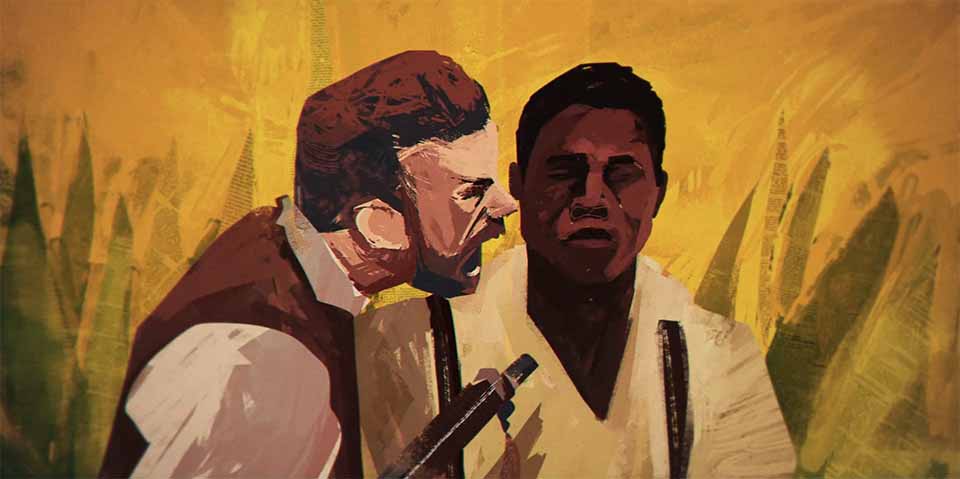
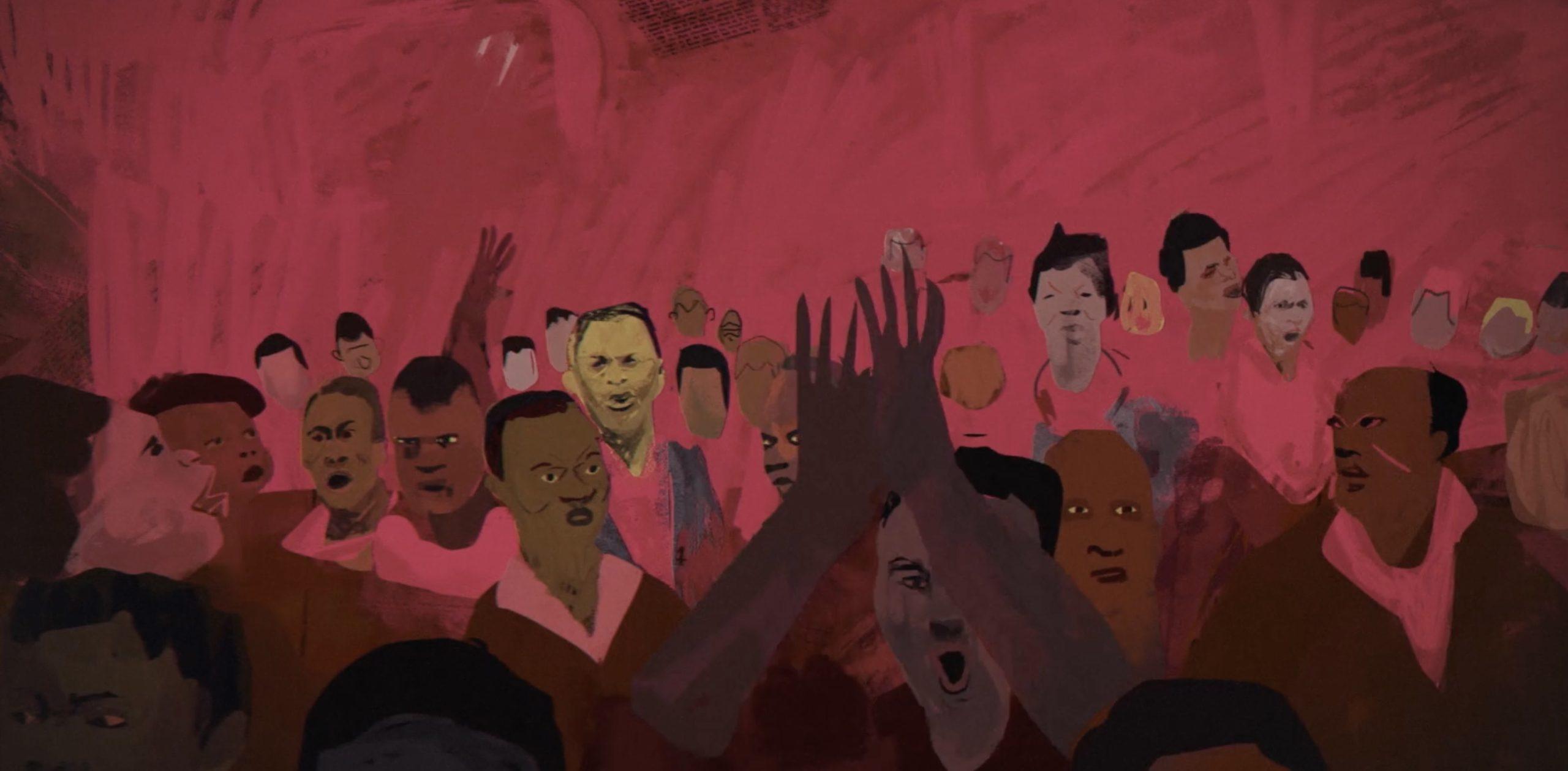
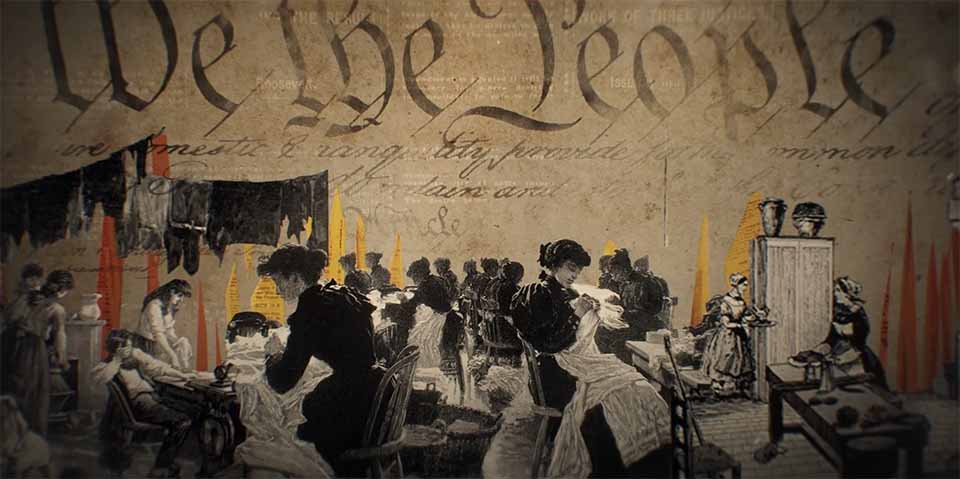
Pictured above are illustrations from Amend created by MakeMake Entertainment and The Documentary Group.
The Undocumented
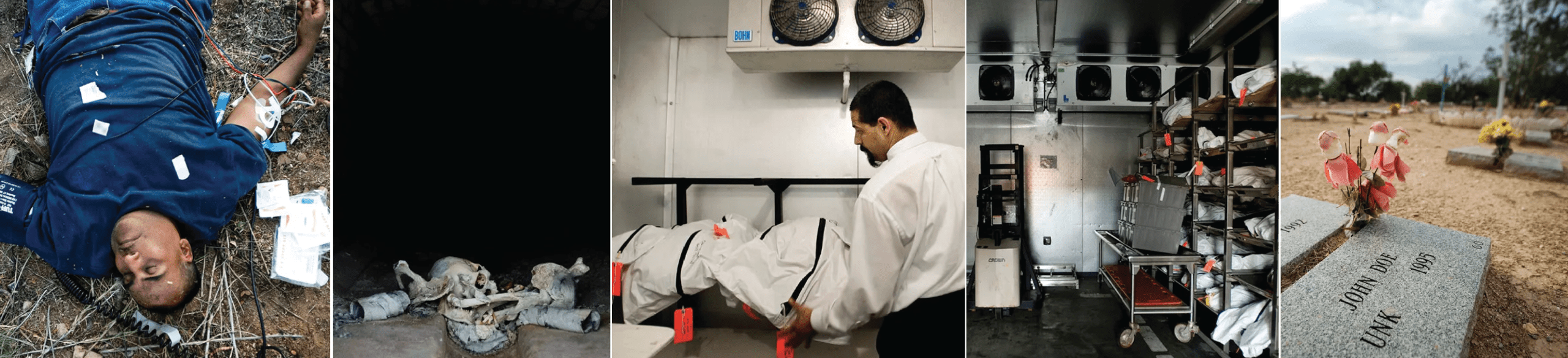
Photos by Matt Nager, who traveled to the border area of Pima County, Arizona, to document the identification and burial process of anonymous bodies. Read the full story here.
In the past 15 years, more than 2,000 dead migrants have been found in the vast borderlands between Sonora, Mexico, and Tucson, Arizona.
The Undocumented (2013) tells the story of border crossers who perished while trying to cross an unforgiving desert in search of a better life, and follows them on their long journey home. Woven from multiple narrative threads, the film depicts the efforts of Tucson’s medical examiner and the Mexican Consulate to name unidentified dead migrants. It follows Border Patrol agents who are challenged to balance law enforcement with lifesaving. In Mexico, the film captures the reunification of the dead with their families, and documents families whose loved ones left home to cross, never to be heard from again. These characters provide an intimate view of the border and migrant deaths, expressing a wide range of opinions on border and immigration policy. Watch on YouTube.
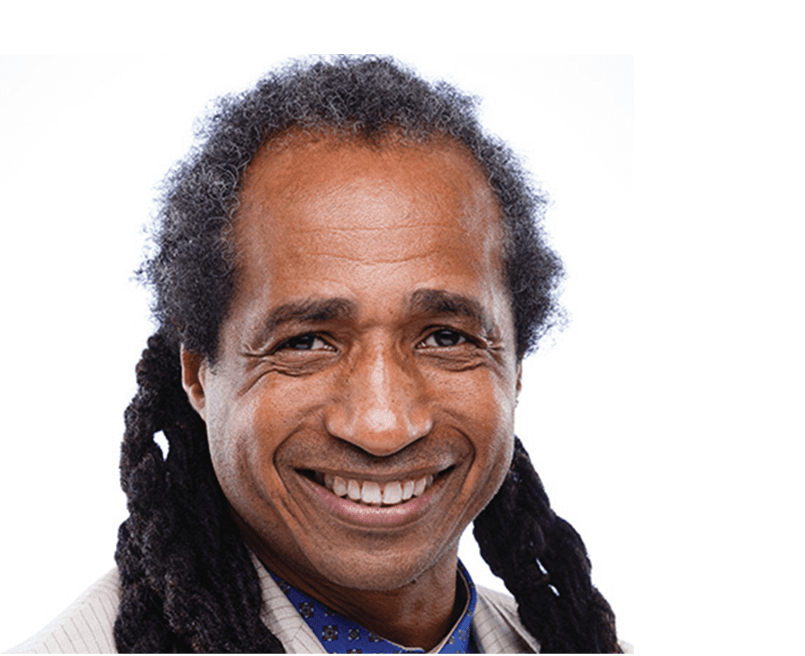
“I wanted to make a film about migrant deaths. I wanted their stories to be the primary narrative. I did not want Americans to be seen as heroes. However, how can you do this, given that the dead don’t talk?”
Life Between Borders: Black Migrants in Mexico
Ebony Bailey, Documentary Filmmaker
Often, when immigration is discussed at the U.S. border, few are aware of the growing number of Black migrants who are making the perilous journey. But Black migration is not new to Mexico, as people from the African Diaspora have lived there for centuries.
In this beautifully crafted documentary, Life Between the Borders: Black Migrants in Mexico (2017) highlights the experiences of Haitian migrants at the Tijuana/San Diego border and living in Mexico City as told by Ebony Bailey, a filmmaker from Central California.
A self-described “Blaxican” —the daughter of a Black father and Mexican mother—Bailey’s work explores cultural intersections, diaspora, and social movements with the intention of representing her communities and building spaces of empowerment between diverse populations. The film showcases with care Black stories that are often left out of the conversation.
In Spanish with English subtitles. 15 minutes. Stream for free on Vimeo.